My Garden Filled With Lemons And I Turned Them Into Homemade Lemon Extract
A few weeks ago, a sudden storm passed over our neighborhood. It wasn’t long or threatening, but the wind circled through the backyard with enough strength to shake my lemon trees.
When the rain slowed down, I stepped outside to check on everything, and the first thing I noticed was how many lemons had fallen. They covered the ground beneath the branches like bright yellow dots scattered across the wet soil. Some were still rolling lightly from the last breeze.

Instead of feeling overwhelmed by the clean-up, I felt a mix of surprise and gratitude. I bent down and picked up the lemons one by one. Each one was cool from the rain and smelled fresh the moment I brushed my thumb across the peel.
By the time I filled my basket, I had more lemons than I usually harvest in several weeks. I knew immediately that I couldn’t let all that fruit go to waste.
Juicing them felt too simple and too temporary. That’s when I finally decided to make homemade lemon extract, something I had been curious about for years but never tried.
Preparing the Materials in the Kitchen

I washed the lemons carefully because the storm had splashed mud onto the lower branches. After drying them, I lined them up on the cutting board. Each lemon looked plump and full of oils, and I knew they would give me a strong, fragrant extract.
Here is what I gathered before starting:
- 10 fresh lemons from my garden for each jar
- 10 glass jars (around 400 ml) with a tight lid
- vodka at 40% alcohol
- a small peeler
- a clean cutting board
- a funnel
Peeling the Lemons With Care
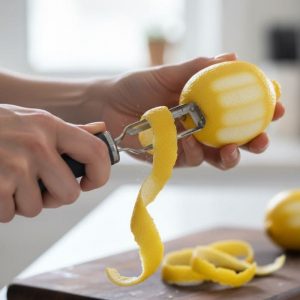
To get the best flavor, I peeled the lemons gently, cutting thin strips of the yellow skin without the white pith. The white layer tastes bitter, so I held each strip up to the light to make sure it was thin enough.
The sound of the peeler sliding across the skin, the soft curl of each strip, and the bright scent filling the air made the process both slow and calming.
By the time the cutting board was covered in strips, the scent had spread through the entire kitchen. Then I placed all the peels into the jar, pressing them down slightly so they settled nicely.
Adding the Alcohol
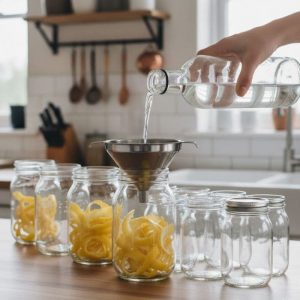
With the funnel resting on top of the jar, I poured vodka slowly until the peels were fully covered. The moment the liquid touched them, they released tiny bubbles, and the vodka began showing the first hint of yellow.
I closed the lid tightly and shook the jar gently just to be sure the peels moved freely inside.
Letting the Extract Develop Slowly
I placed the jar in a dark cabinet where it could rest without interruption. Over the next few weeks, I shook it lightly every few days. The color deepened very gradually, changing from pale yellow to a warmer shade.
Every time I opened the cabinet door, the jar felt like a small reminder of that rainy morning in the yard, picking lemons from damp grass. After four to six weeks, the extract smelled rich, sweet, and bright.
Straining and Storing the Extract

Finally, I strained the liquid carefully, removed all the peels, and poured the extract into a clean glass bottle. The scent was warm and citrusy in a way that felt honest and real.
I labeled the bottle with the date and placed it in the pantry so it would continue to mature. Homemade extracts stay good for years, so this batch will last a long time.
How I Use My Lemon Extract Now
After making my first batch, I realized how many small ways this extract fits into my routine. Instead of using store-bought flavoring or scents, I now turn to this simple bottle made from fruit that fell during a storm.
Here are the ways I use it:
1. Adding It to Homemade Bakes
The first thing I tried was adding it to a plain cake batter. I mixed one teaspoon into the mixture, and the kitchen filled with a softer and warmer lemon scent than anything I had baked before. It works beautifully in cookies, muffins, pancakes, and even homemade icing.
Sometimes I mix a drop into vanilla yogurt or whipped cream for a quick treat. The flavor feels like the brightness of fresh zest but without the bitterness.
2. Mixing It Into My Homemade Cleaners
I often make simple vinegar-based cleaners for the kitchen and bathroom, and a few drops of lemon extract give them a clean, refreshing scent without any artificial smell. I mix:
- 1 part white vinegar
- 2 parts water
- a few drops of lemon extract
The mixture feels gentle but effective. When I spray countertops or wipe the stove, the scent lifts the mood of the whole room.
3. Using It for DIY Body Care
I sometimes make small body scrubs using sugar and coconut oil. When I add a few drops of lemon extract, the scrub smells bright and comforting.
For a simple scrub, I mix 3 tablespoons sugar, 1 tablespoon coconut oil and 2-3 drops lemon extract. It’s gentle on the skin and leaves a light, fresh scent.
4. Adding It to Room Sprays and Candle Projects
Because I make scented candles from time to time, the extract fits naturally into those projects. A few drops added to the melted wax or into a water-based room spray creates a soft citrus fragrance that never feels overwhelming.
I also spray it lightly in the living room on days when the air feels heavy. It brings a clean, easy brightness to the space.